Almost every growing business runs on spreadsheets at some point. And for good reason — they're flexible, familiar, free, and you can start using one in seconds. Many successful companies were effectively run from a handful of spreadsheets in their early days.
But there's a turning point. Past a certain size and complexity, the very same spreadsheets that got you started begin to quietly cost you — in wasted hours, in errors, and in decisions made on numbers nobody fully trusts. This article is about recognising that turning point and understanding what comes next.
The symptoms of outgrowing spreadsheets
You rarely get a clear warning. Instead, the friction creeps in. See how many of these feel familiar:
- There are multiple versions of "the latest file" floating around, and people aren't sure which is current.
- Numbers don't match between departments — sales says one thing, finance another, and reconciling them is a recurring chore.
- Hours disappear into manual copying between sheets and systems, and into fixing the mistakes that copying introduces.
- A single accidental edit or deletion can quietly corrupt data, and there's no reliable history of who changed what, or when.
- Two people can't safely work on the same data at once without overwriting each other.
- As volumes grow, the files become slow, fragile and frightening to touch.
Here's the crucial point: these are not discipline problems. You can't train your way out of them. They're structural. Spreadsheets were designed as personal calculation tools, not as a shared, reliable system of record for a whole business. Asking them to be one is asking the wrong tool to do a job it was never built for.
What a real data foundation gives you
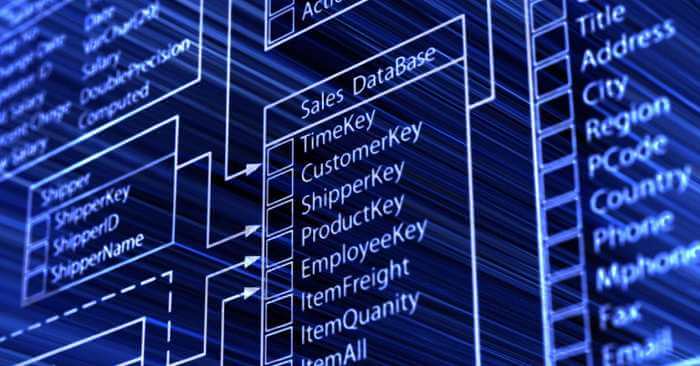
The alternative is to move your core business data into a proper database — a system purpose-built to store, protect and serve shared information reliably. This isn't about ripping out every spreadsheet overnight (they're still great for ad-hoc analysis). It's about giving the data your business runs on a solid home. Here's what changes.
A single source of truth
There is one authoritative place every system and person reads from. No more "which version is right?" The customer list, the stock levels, the orders — they live in one place, and everyone sees the same, current reality.
Most of the daily friction of outgrown spreadsheets comes down to a lack of a single source of truth. Restore that, and a surprising amount of chaos simply evaporates.
Data integrity by design
A well-designed database enforces rules. It can prevent duplicate records, reject invalid entries, and ensure relationships stay consistent — for example, that an order can't exist without a valid customer. Bad data is stopped at the door rather than discovered later in a report.
Speed that holds up
Databases are built to handle large volumes efficiently. Where a giant spreadsheet grinds to a halt, a properly indexed database returns answers instantly — and keeps doing so as your data grows from thousands of rows to millions.
Safe, concurrent access
Many people can read and update the data at the same time, safely, with appropriate permissions controlling who can see and change what. No more emailing files around or locking each other out.
Reporting that's always current
Instead of manually assembling a report by copying from several sheets, dashboards and reports can read live from the database. The numbers leadership sees are always up to date — not a snapshot someone exported last Tuesday.
A proper history
Good systems keep an audit trail: what changed, when, and by whom. That accountability is invaluable when something looks wrong and you need to understand how it happened.
"But what about migrating? Won't we lose data?"
This is the fear that keeps businesses on struggling spreadsheets far longer than they should be. It's a legitimate concern — and a very manageable one. A careful migration is a well-understood process:
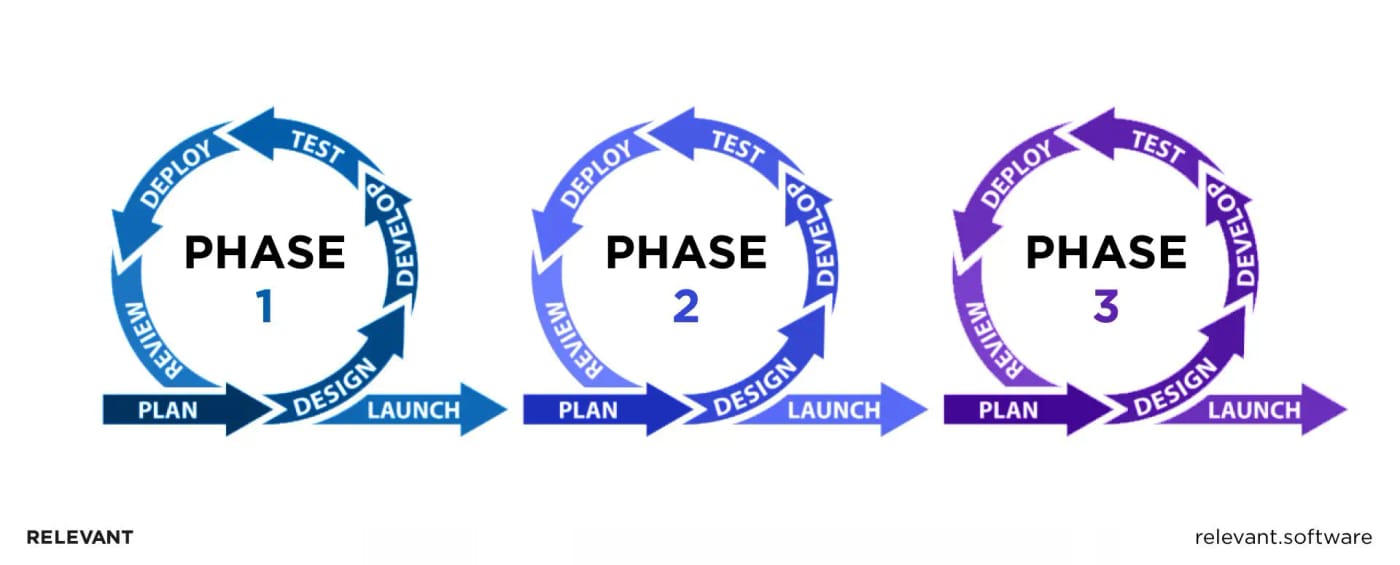
Understand the data first. Before moving anything, we map what you have, how it's structured, and where the inconsistencies are. (Spreadsheets that have grown organically always have some.)
Design the right structure. The data is modelled properly in the new database — with the integrity rules that prevent future mess built in from the start.
Clean as we go. Migration is the natural moment to fix duplicates and inconsistencies that have accumulated, so you start fresh on solid ground.
Validate relentlessly. We check that the numbers in the new system reconcile exactly with the old. Nothing is trusted until it's verified.
Run in parallel where it reduces risk. For critical systems, the old and new can run side by side until everyone is confident — so there's no single nerve-wracking moment where you flip a switch and hope.
Done this way, migration is safe and undramatic. The goal is zero surprises.
What it unlocks
Moving to a proper data foundation isn't a technical nicety — it directly enables things that were previously impossible or painful:
- Trustworthy decisions — when everyone agrees on the numbers, leadership can act on them with confidence.
- Automation — reliable, structured data is the prerequisite for almost any automation. You can't automate a process built on a messy spreadsheet, but you can automate one built on a clean database.
- Applications and integrations — a real database can power a web app, a mobile app, a customer portal, or feed other systems. Your data stops being trapped in files and becomes an asset you can build on.
- Scale — the foundation holds as you grow, instead of becoming the thing that breaks.
Good data architecture is invisible when it works — and painfully obvious when it doesn't. It's the quiet foundation everything else is built on.
How to know it's time
You don't need to overthink this. If your business depends on data that lives in spreadsheets, and you recognised several symptoms from the start of this article, you've likely reached the turning point. The cost of staying isn't a dramatic crash — it's the slow, daily tax of wasted hours, avoidable errors, and decisions made on shaky numbers.
The good news is that fixing it is a well-trodden path. With a careful migration, you trade that ongoing tax for a foundation your applications, dashboards and decisions can finally rely on — and free your team to spend their time on the business instead of wrestling with the files that run it.